
What is CCA cable?
Quick answer
- CCA (Copper Clad Aluminium) cable is illegal for customer cabling in Australia under AS/CA S008.
- It has roughly 40% higher electrical resistance than solid copper, causing dangerous overheating under PoE loads.
- Access Communications only stocks 100% compliant, solid copper cable, never CCA.
CCA cable (Copper Clad Aluminium) is a type of network cable conductor made from an aluminium core coated with a thin layer of copper. It is marketed as a cheaper alternative to solid copper cable but is non-compliant, unsafe, and strictly illegal for use in any customer cabling installation in Australia under AS/CA S008 and the Telecommunications Act 1997.
CCA cable has approximately 40% higher electrical resistance than solid copper, which causes dangerous overheating under Power over Ethernet (PoE) loads, brittle conductors that break during installation, and guaranteed performance failure over time. This guide covers the technical dangers, the legal consequences, and how to identify and avoid CCA cable on site.
Pure Copper vs Copper Clad Aluminium (CCA)
Pure Copper ✓
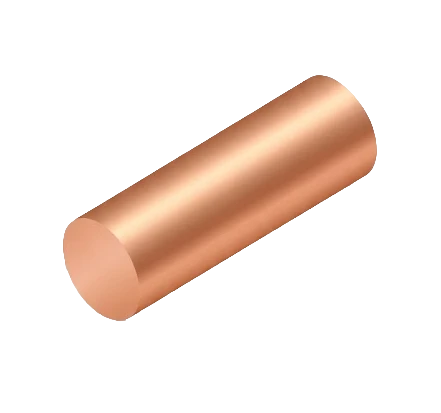
✓ 100% Legal & Compliant
Meets AS/CA S008 standards
✓ Safe for PoE
Low resistance, no overheating risk
✓ Durable & Reliable
Strong, flexible, built to last
CCA (Illegal) ✗
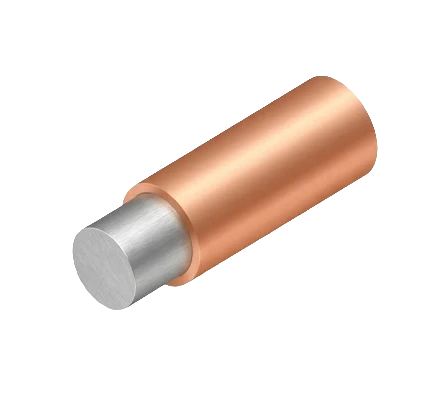
✗ Illegal for Customer Cabling
Fails AS/CA S008 standards
✗ High Fire Risk
60% higher resistance causes overheating
✗ Brittle & Unreliable
Breaks easily, oxidises rapidly
The ACMA's Stance: A Clear Warning
The Australian Communications and Media Authority (ACMA) is the government body responsible for regulating telecommunications. Their position on CCA is unambiguous. Any cabling product that does not have a solid or plated copper conductor does not comply with the mandatory industry standard AS/CA S008. As the ACMA has stated, "the supply and installation of non-compliant customer cabling... is a serious offence."
For more details directly from the regulator, visit the ACMA Cabling Standards page.
Why CCA is Banned in Australia
| Copper Clad Aluminium (CCA) ❌ | Solid Copper (Compliant) ✅ |
|---|---|
|
|
Technical Failure: Why CCA is Unsafe
- Serious Fire Hazard: As highlighted by industry bodies like NECA, CCA's electrical resistance is approximately 40% higher than pure copper. This causes it to dangerously overheat, especially in Power over Ethernet (PoE) applications, creating a significant risk of fire and catastrophic equipment damage.
- Guaranteed Performance Failure: Aluminium is brittle and has a lower tensile strength, making it prone to breaking during the pulling and termination process. It also oxidises rapidly when exposed to air, leading to poor conductivity, connection dropouts, slow data speeds, and network failure over time.
- Non-Compliant by Definition: CCA cable cannot meet the core conductor requirements of the mandated industry standard, AS/CA S008. Therefore, it cannot legally carry the Australian RCM (Regulatory Compliance Mark).
⚠️ Real-World Failure Example: A 60W PoE+ security camera installed on a 70-metre CCA cable run will lose approximately 12 volts due to excessive resistance. The camera powers up initially, but when the motorised PTZ function activates, voltage drops below the operating threshold and the camera reboots continuously. With pure copper cable, the same installation runs flawlessly. Learn more about security camera cabling requirements.
Legal Consequences under the Telecommunications Act 1997
The penalties for using or supplying non-compliant CCA cable are clearly defined under the Telecommunications Act 1997. These are not just warnings; they are serious offences with significant financial penalties.
- Section 411: It is an offence to connect incorrectly labelled customer cabling. The maximum court-imposed penalty is $13,200.
- Section 413: It is an offence to supply unlabelled and/or non-compliant customer cabling. The maximum court-imposed penalty is $11,000.
- Section 414: It is an offence to apply a compliance label to a non-compliant product like CCA cable. The maximum court-imposed penalty is $11,000.
Furthermore, under Section 453A of the Act, ACMA officers can issue on-the-spot infringement notices for these offences, meaning you can be fined without the matter even going to court.
Your Responsibility as a Professional
As a registered cabler, you are personally responsible for ensuring every installation complies with the Wiring Rules. The choice is clear: the minor upfront saving of CCA is not worth the massive risk to safety, performance, and your professional reputation. Always source from a reputable supplier who can verify compliance.
Frequently Asked Questions
What does CCA stand for in cable terminology?
CCA stands for Copper Clad Aluminium. It's a cable conductor made from an aluminium core with a thin copper coating, marketed as a cheaper alternative to solid copper. It is illegal for customer cabling installations in Australia.
How can I tell if a cable is CCA?
Strip back the insulation and look at the cut end of the conductor. Pure copper looks uniformly copper-coloured throughout. CCA shows a silvery aluminium core visible at the cut. A magnet test also works: aluminium isn't magnetic but tin-plated steel imitations sometimes are. Quality compliant cable will also have the RCM mark and AS/CA S008 compliance printed on the jacket.
Is CCA cable illegal everywhere or just in Australia?
CCA is banned for customer cabling in Australia under AS/CA S008. Many other countries have similar restrictions for specific applications (notably PoE), but Australian rules are among the strictest. Even if you import cable from overseas, using CCA on an Australian customer cabling install is illegal.
What happens if I get caught using CCA cable?
Maximum court-imposed penalties under the Telecommunications Act 1997 range from $11,000 to $13,200 per offence. ACMA officers can also issue on-the-spot fines without going to court. You can also lose your cabling registration, exposing you to liability for any failures.
Why is CCA still sold in Australia?
CCA is legal to sell for non-customer cabling applications (e.g. audio speaker wire, low-voltage doorbells). The problem arises when it's misrepresented or used in network installs where it's prohibited. Always verify the AS/CA S008 compliance before buying for any data cabling job.
Is CCA suitable for PoE installations?
Absolutely not. CCA's 40% higher resistance causes dangerous overheating under PoE current loads. This is a serious fire risk and a guaranteed cause of equipment failure, particularly with PoE+ and PoE++. For PoE installs, use only solid copper Cat6 or Cat6A. See our Cat6 vs Cat6A guide for PoE specifications.
Does shielded cable have CCA risks too?
The shielding type (UTP, F/UTP, S/FTP) is separate from the conductor material. CCA can exist in shielded or unshielded cable, both are equally non-compliant. Always verify the conductor is 100% solid copper regardless of shielding type. See our cable shielding guide for shielding decisions.
Shop Compliant Copper Cables
Access Communications is committed to the safety of Australian installers. We only stock and sell 100% compliant, solid copper cables that are guaranteed to meet all Australian standards. Explore our Bulk Ethernet Cable or our pre-terminated Patch Cables.
Your Project, Perfected. That's The Access Advantage.
- Expert Local Support, Since 1973: Don't waste time with guesswork. Our experts have seen it all and are ready to provide the right solution, right now. Your success is our business.
- Your Specs, Your Brand, Our Build: Off-the-shelf not cutting it? We specialise in building custom cables and assemblies to your exact specifications, branded for your business. Let's create it together.
- Guaranteed for Life: Buy it once. Trust it forever. Our products are backed by a limited lifetime warranty, so you can invest in quality with zero risk. *Warranty excludes third-party brands such as HALO and UPS.
Let's get your project started.
Talk to an expert today for a custom quote or browse the solutions most relevant to your search.